
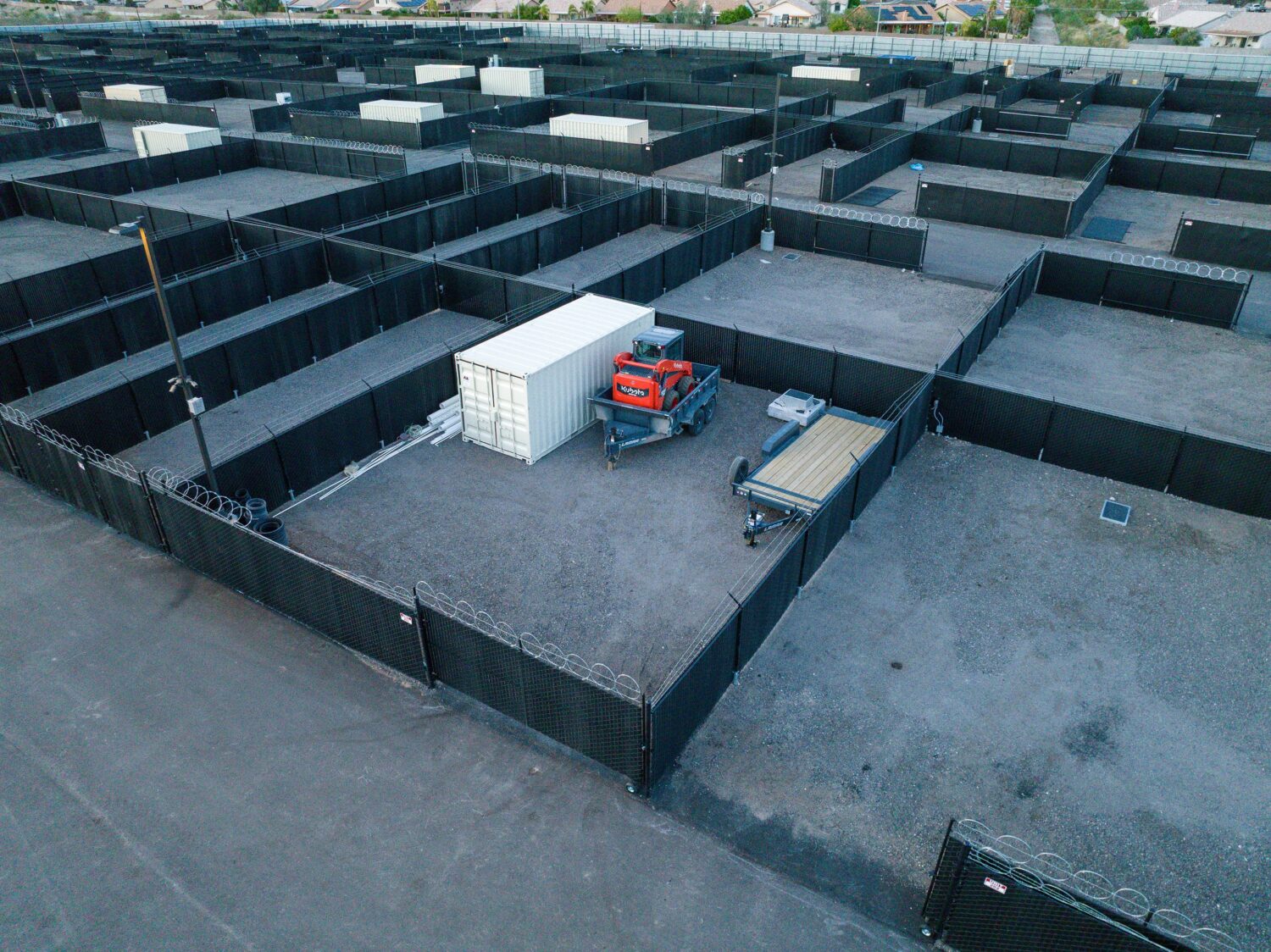
From construction equipment and work trucks to trailers, materials, and seasonal inventory, keeping business assets organized and secure is essential for staying productive. Renting storage is a straightforward process when you know what documentation you'll need, understand your lease options, and choose an outdoor storage solution that fits your operation.
Many commercial businesses require space designed for larger vehicles, heavy equipment, and outdoor materials. That's where Lynx Contractor Storage stands apart. Lynx offers secure, flexible yard space for contractors and businesses that need convenient access to their equipment without the limitations of conventional storage facilities.
In this guide, you'll learn what you need to rent a storage unit, how the rental process works, what to expect before signing a lease, and how to determine whether a traditional storage unit or an industrial outdoor storage yard is the best fit for your business.
Who Can Rent a Storage Unit?
Most storage facilities allow anyone age 18 or older with a valid government-issued photo ID and an approved payment method to rent a storage unit or storage yard. Additional requirements, such as signing a rental agreement or providing proof of insurance, may vary by facility.
For commercial users, choosing the right type of storage is just as important as meeting the rental requirements. Contractors, landscapers, fleet operators, construction companies, small businesses, and property managers often need more space than a traditional self-storage unit can provide.
Quick Checklist to Rent a Storage Unit
Before renting a storage unit or contractor storage yard, gather the required documents and choose the storage option that best fits your needs. Having everything ready can help streamline the move-in process and ensure you select the right space for your equipment, vehicles, or business inventory.
- Government-issued photo ID: Bring a valid driver's license, state-issued ID, passport, or military ID for identity verification.
- Accepted payment method: Most facilities accept major credit cards, debit cards, ACH payments, or other approved electronic payment methods.
- Signed rental agreement: Review and sign the lease agreement and keep a copy for your records.
- Renters or business insurance: Some facilities require proof of insurance, while others recommend coverage to help protect your stored property.
- Approved storage lock: If you're renting a traditional self-storage unit, purchase a facility-approved lock to help secure your belongings.
- Choose the right storage space: Consider the size of the equipment or materials you'll be storing and whether you need a traditional storage unit, climate-controlled storage, or an Industrial Outdoor Storage (IOS) yard for vehicles, trailers, and heavy equipment.
Government-Issued Identification Requirements
Before you can rent a storage unit or Industrial Outdoor Storage (IOS) yard, you'll typically need to present a valid, government-issued photo ID. Storage facilities use identification to verify your identity, complete your rental agreement, and help protect the security of all customers on the property.
Most facilities accept one of the following forms of identification:
- Driver's license
- State-issued identification card
- U.S. or international passport
- Military identification card
Your identification should be current and unexpired, with the name matching the contact information provided on your rental application and payment method. Some facilities may also request your current address, phone number, or email address to complete your account and communicate important billing or account updates.
Identity verification helps ensure only authorized renters have access to storage spaces, reducing the risk of unauthorized entry and helping maintain a secure environment for personal belongings, business inventory, vehicles, trailers, and commercial equipment.
Determine the Right Type of Storage Unit Before You Rent
One of the most important steps when renting a storage unit is selecting the storage option that best fits what you plan to store. The right choice depends on the size of your belongings, whether they need protection from temperature changes, and how often you'll need access. Contractors and commercial businesses often require outdoor space for larger vehicles, equipment, and materials.
Traditional Self-Storage Units
A traditional self-storage unit is a good choice if you need enclosed space for personal or business belongings. Best for storing:
- Household furniture and personal belongings
- Business inventory and office supplies
- Documents and archived files
- Seasonal decorations and equipment
- Small tools and boxed items
Climate-Controlled Storage Units
Climate-controlled storage units maintain a controlled temperature range to help protect sensitive belongings from extreme weather. Ideal for storing:
- Electronics and computers
- Important documents and records
- Photographs and artwork
- Wood furniture
- Temperature-sensitive inventory
Industrial Outdoor Storage (IOS)
For contractors and commercial businesses, a traditional storage unit may not provide enough space for larger assets. Industrial Outdoor Storage offers secure outdoor yard space designed for equipment, vehicles, trailers, and construction materials that require easy drive-up access.
Industrial Outdoor Storage is commonly used for:
- Contractor equipment
- Commercial vehicles and work trucks
- Utility and enclosed trailers
- Construction materials and job-site supplies
- Landscaping equipment
- Fleet parking and overflow vehicle storage
Drive-Up Access vs. Indoor Storage
When renting a storage unit, consider how often you'll need to access your belongings or equipment. Drive-up storage allows you to park directly next to your storage space, making it ideal for loading work trucks, trailers, heavy equipment, and bulky materials. Indoor storage provides enclosed access and is better suited for personal belongings, business inventory, and items that require additional protection from the elements.
Choose the Right Storage Unit Size
Selecting the right storage size before you rent can help you stay organized and avoid paying for more space than you need. The best option depends on what you're storing today and whether your storage needs are likely to change over time.
Estimate Your Storage Needs
Before choosing a storage unit or yard, make a list of everything you plan to store. Measure larger items, such as vehicles, trailers, or equipment, to confirm they'll fit comfortably within the space. If you'll need regular access, leave enough room to safely load, unload, and move around your stored items without constantly rearranging them.
If your business is growing, think beyond your current inventory. Additional equipment, vehicles, trailers, or materials can quickly increase your storage requirements. Renting a space that accommodates modest growth may be more practical than relocating to a larger unit later.
Choosing the right size from the start helps maximize your storage space while keeping monthly costs under control.
Security Features to Look for Before Renting Storage
Before renting a storage unit or a storage yard, evaluate the facility's security features to help protect your belongings, vehicles, and equipment. A secure storage facility can provide greater peace of mind while reducing the risk of theft or unauthorized access.
Look for these important security features:
- Gated access: Limits entry to authorized customers and approved visitors.
- Perimeter fencing: Helps secure the property and creates a clear boundary around the storage facility.
- Surveillance cameras: Monitor common areas, entry points, and drive lanes to enhance security.
- Well-lit property: Bright lighting improves visibility during evening visits and helps deter unauthorized activity.
- Controlled access: Keypads, electronic gates, or access codes help ensure only authorized individuals can enter the property.
- Individual yard spaces: Businesses renting outdoor storage should look for designated storage areas that keep equipment organized and separated from other tenants.
- Secure storage containers: Some facilities offer containers that provide additional protection for tools, inventory, and other valuable equipment stored on-site.
If you need space for vehicles, trailers, or heavy equipment, choose secure contractor storage yards designed for commercial storage and daily business operations.
Understand the Rental Agreement and Lease Terms
Before renting a storage unit or Industrial Outdoor Storage (IOS) yard, carefully review the rental agreement so you understand your responsibilities, payment obligations, and facility policies.
Review Lease Options
- Month-to-month rentals for short-term flexibility
- Long-term leases for ongoing business or commercial storage needs
Understand Rental Costs and Payment Terms
- Monthly rental rate and any applicable security deposit
- Payment due dates and accepted payment methods
- Automatic billing or convenient online payment options, when available
- Late payment fees and account policies
Review Prohibited Items
- Review the facility's prohibited items list before moving in
- Do not store hazardous materials, flammable liquids, explosives, perishable goods, or other restricted items
Complete Insurance Requirements
- Provide proof of renters insurance or business insurance if required
- Ask whether the facility offers insurance coverage as an optional purchase
Prepare for Move-In
- Purchase the recommended lock type for traditional self-storage units
- Keep a signed copy of your rental agreement for your records
- Contact the facility with any questions before move-in to help ensure a smooth rental experience
Common Mistakes to Avoid When Renting Storage
Choosing the right storage solution can help you avoid unnecessary costs and make your rental experience more convenient. Avoid these common mistakes:
- Renting a unit that's too small for your current and future storage needs
- Overlooking facility access hours if you need frequent entry
- Forgetting to purchase or provide proof of insurance
- Signing a lease without reviewing the terms and fees
- Storing prohibited or hazardous materials
- Underestimating future business growth and storage requirements
- Choosing the wrong type of storage instead of one that fits your belongings, vehicles, or equipment
Frequently Asked Questions About Renting a Storage Unit
What documents do I need to rent a storage unit?
Most storage facilities require a valid government-issued photo ID, a signed rental agreement, and a valid payment method. Some facilities may also require proof of renters or business insurance before move-in.
Can businesses rent storage units?
Yes. Businesses frequently rent storage units and Industrial Outdoor Storage (IOS) yards for inventory, equipment, vehicles, trailers, construction materials, and fleet parking.
Do I need insurance?
Many storage facilities require proof of renters or business insurance, while others offer optional coverage for an additional fee. Review your rental agreement to understand the facility's insurance requirements.
Can I store vehicles and trailers?
Many facilities allow vehicle and trailer storage, but availability depends on the property and storage type. Industrial Outdoor Storage yards are typically the best option for commercial vehicles, trailers, and heavy equipment.
What items aren't allowed in storage?
Most facilities prohibit hazardous materials, flammable liquids, explosives, perishable food, illegal items, and hazardous waste. Always review the prohibited items list before moving your belongings into storage.
Is Industrial Outdoor Storage better than self-storage for contractors?
It depends on what you're storing. Traditional self-storage units are ideal for tools, inventory, and boxed items, while Industrial Outdoor Storage provides secure space for contractors who need to store work trucks, trailers, heavy equipment, construction materials, and landscaping equipment.
Find the Right Storage Solution with Lynx
Whether you need space for equipment, vehicles, trailers, or construction materials, Lynx offers flexible storage options designed for contractors and growing businesses. Choosing a partner like Lynx for contractor storage yards provides a foundation for growth. Compare our available yard sizes to find the best fit for your operation, then contact our team to discuss leasing options, request pricing, or schedule a tour of a nearby facility.